Proposed Action Research Plan 2011.7.27
Problem
When I separate the students into groups and have a competition or a game, some of them did not agree with my adjustment or decisions.
The problem happened in an elementary school. The students were in 3 or 4 grade. There were about 30 people in the classroom. I played a game with them for reviewing the textbook, so I asked questions and the first one who raised hands and answered correctly, and then the group could get one point. However, one student did not agree with me. He thought I was unfair because everyone had a chance to answer but he was the person who raised his hand the fastese.
Because of this boy, other students were affected by him and disagreed with me. Therefore, at the end of the class, neither could we finish the game nor review the context. I felt bad and sorry for other students.
I would like to see a change in the way my students can enjoy learning through the activities and games.
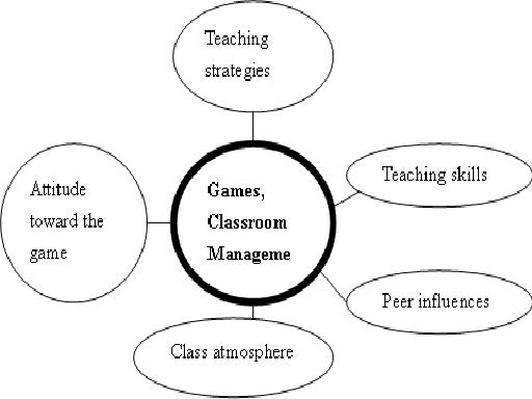
Variables: Teaching strategies, teaching skills, attitude toward the game, peer influences, class atmosphere.
Research Questions: How does the teacher make students answer the questions in turn but still keep the game interesting and competitive?
Interventions: teaching strategies—recitation oral questions by teacher answered orally by students in turn
Data Collection Tools: Observations & Interviews
Pre-Test: Observe and interview the student who doesn’t like the game
Post-Test: Observe and interview the student who doesn’t like the game
Time line: 2 or 3 weeks
Data Interpretation: If I observe the students’ performances in class, I can make sure if they like the activities or not, or if there are only few of them dislike the activities.
Implement Intervention: When I observed the student who doesn't like the game in class, he was very smart and answered my questions very fast. He also enjoyed playing the game. Hence, I interviewed few of them who don’t like the activities and explained to them why I designed the competitive games and why they could not always be the ones who answer the questions. I know they are excellent in learning, but let others have the opportunities to learn through the games is also what the winner should do.
Evaluate Action Plan: After interviewing with some of them, they knew how important the team work is. And they were willing to have other students chances to answer the questions.
Reflection: I think I can be better if the same situation happens after the action research plan was in my thought. I will try to explain to the special student privately but not just shout or debate in class. This is a good beginning and I think I can do it well in the future.
When I separate the students into groups and have a competition or a game, some of them did not agree with my adjustment or decisions.
The problem happened in an elementary school. The students were in 3 or 4 grade. There were about 30 people in the classroom. I played a game with them for reviewing the textbook, so I asked questions and the first one who raised hands and answered correctly, and then the group could get one point. However, one student did not agree with me. He thought I was unfair because everyone had a chance to answer but he was the person who raised his hand the fastese.
Because of this boy, other students were affected by him and disagreed with me. Therefore, at the end of the class, neither could we finish the game nor review the context. I felt bad and sorry for other students.
I would like to see a change in the way my students can enjoy learning through the activities and games.
Variables: Teaching strategies, teaching skills, attitude toward the game, peer influences, class atmosphere.
Research Questions: How does the teacher make students answer the questions in turn but still keep the game interesting and competitive?
Interventions: teaching strategies—recitation oral questions by teacher answered orally by students in turn
Data Collection Tools: Observations & Interviews
Pre-Test: Observe and interview the student who doesn’t like the game
Post-Test: Observe and interview the student who doesn’t like the game
Time line: 2 or 3 weeks
Data Interpretation: If I observe the students’ performances in class, I can make sure if they like the activities or not, or if there are only few of them dislike the activities.
Implement Intervention: When I observed the student who doesn't like the game in class, he was very smart and answered my questions very fast. He also enjoyed playing the game. Hence, I interviewed few of them who don’t like the activities and explained to them why I designed the competitive games and why they could not always be the ones who answer the questions. I know they are excellent in learning, but let others have the opportunities to learn through the games is also what the winner should do.
Evaluate Action Plan: After interviewing with some of them, they knew how important the team work is. And they were willing to have other students chances to answer the questions.
Reflection: I think I can be better if the same situation happens after the action research plan was in my thought. I will try to explain to the special student privately but not just shout or debate in class. This is a good beginning and I think I can do it well in the future.